Hey everyone, Adrian here.
This is a major update for Blackout. After a lot of discussion, we officially decided not to refilm the burnout scene again. Marcos’ availability has been limited, and after reviewing the footage several times, both Tati and I realized that the shadow issue we were concerned about is barely noticeable. We were delaying the completion of the film over something that does not meaningfully impact the audience’s experience. At that point, it became clear that continuing to reshoot would only slow down progress. So we made the decision to move forward.
With that, I can confidently say that Blackout is officially finished and finalized.
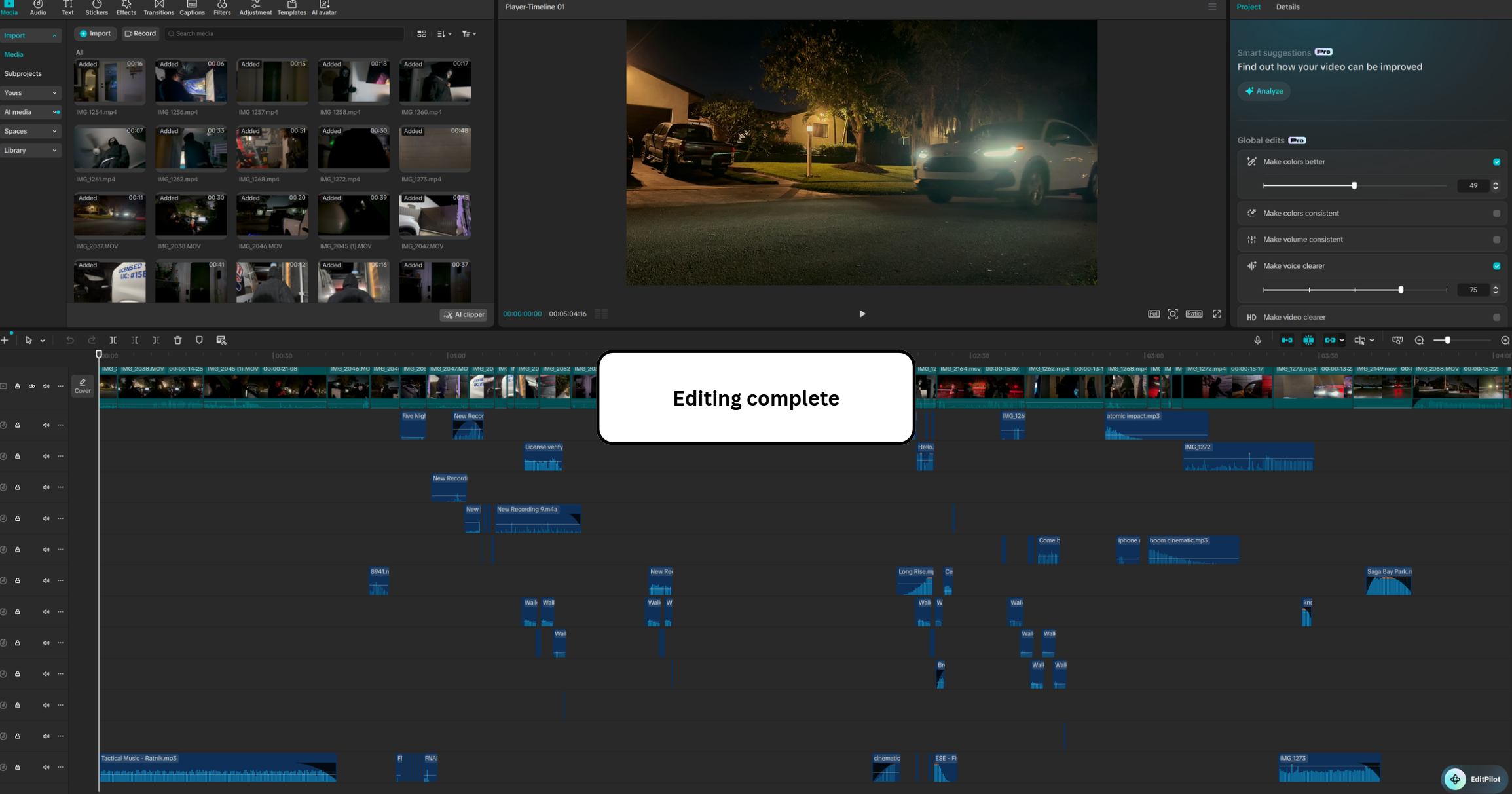
Here is the official Instagram teaser, a one minute sped up timelapse of the editing process with the actual footage intentionally blurred for social media purposes.
Below is a 10 minute timelapse of what was originally a 4 hour screen recording of the editing process. That four hour recording was captured in one session, but the full edit of the film was completed across several days. I worked on it in stages, refining small details each night rather than finishing everything in a single sitting.
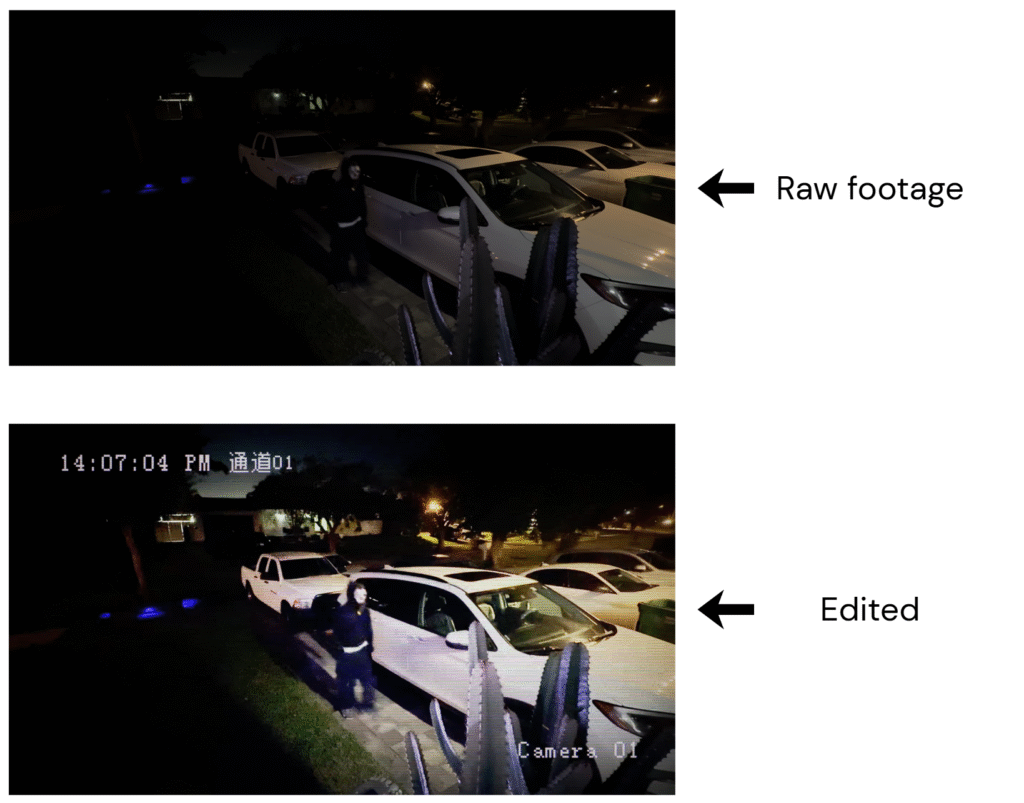
The editing process involved far more than just cutting clips together. One of the most intentional elements is the CCTV foreshadowing sequence. Early in the film, when Matheus walks toward the house, there is a surveillance style shot that he does not notice. Later, when he enters the room and sees himself on the security monitor, it is the exact same footage. That repetition was deliberate. I applied a CCTV effect, added scan lines, distortion, and used Five Nights at Freddy’s inspired camera sound effects to make it feel authentic. The goal was to subtly establish that he was being watched before he even realizes it himself.
The fight scene required detailed sound design. I analyzed each swing and impact frame by frame. When an arm moves forward, a slight whoosh is heard, and when the punch lands, the impact sound follows immediately after. If the timing is even slightly off, the scene feels unrealistic. The final version layers subtle reverb and bass to give weight to each hit without exaggerating it.
Another important editing decision was the contractor earpiece voiceover. In the patio scene, when Matheus is about to enter the garage, Tati’s voice is heard through the earpiece. To make it sound believable, I adjusted the audio by reducing low frequencies, compressing the sound, and layering subtle radio static. I also used a voice filter to simulate the tone of a tactical communication device. The difference between the raw recording and the final version is significant, and it adds to the realism of the scene.
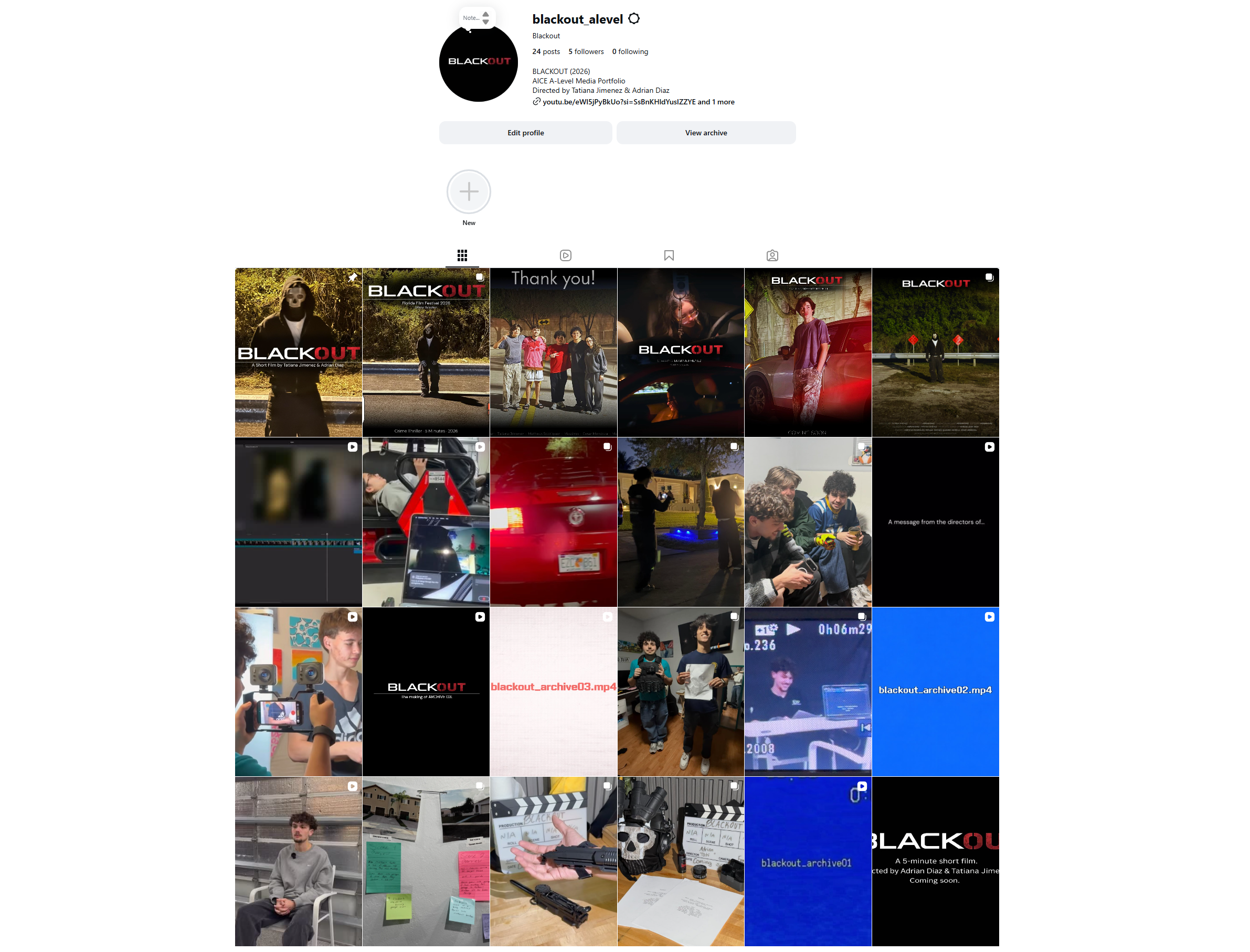
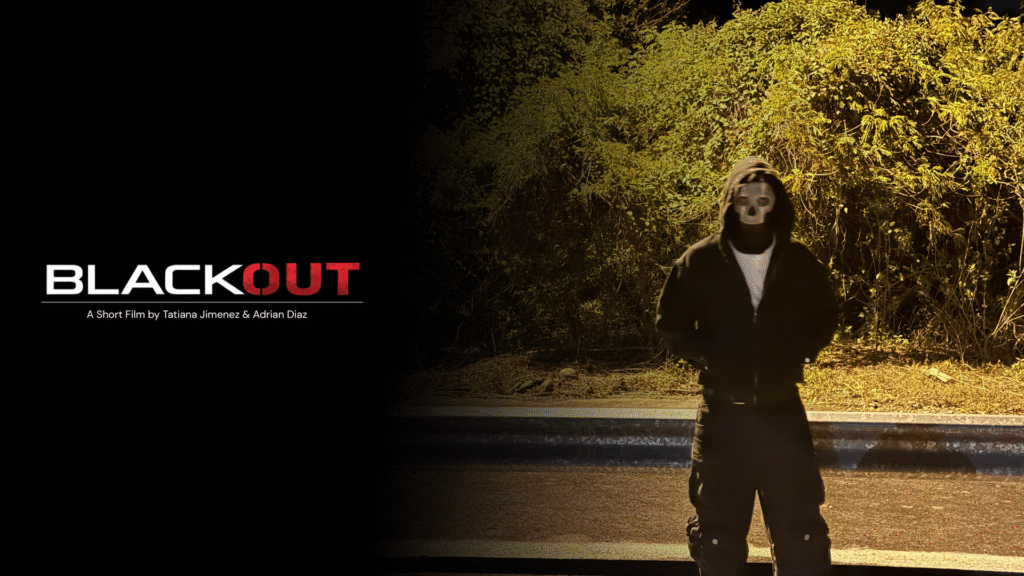
Today I also finalized three official cover arts for Blackout. I took inspiration from short film posters that include credit blocks at the bottom, which immediately gives the design a more cinematic and professional appearance. Each cover features the main character in a dramatic location with strong lighting contrast and the title positioned prominently above. The typography and composition were carefully arranged to feel consistent with thriller genre conventions.
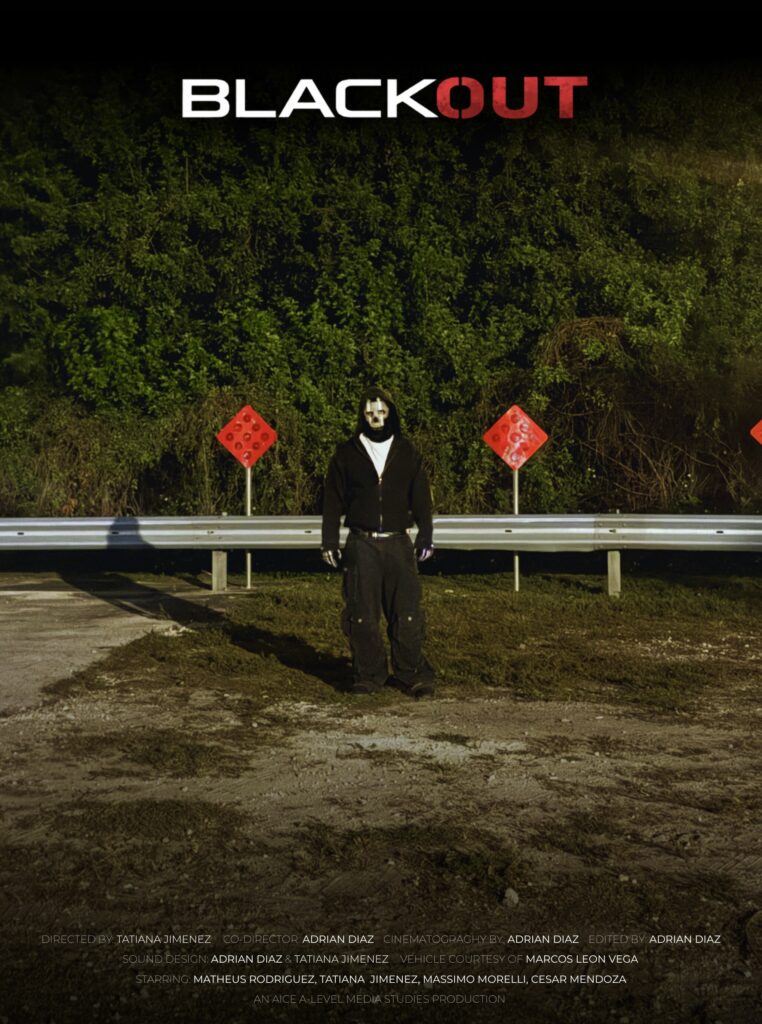
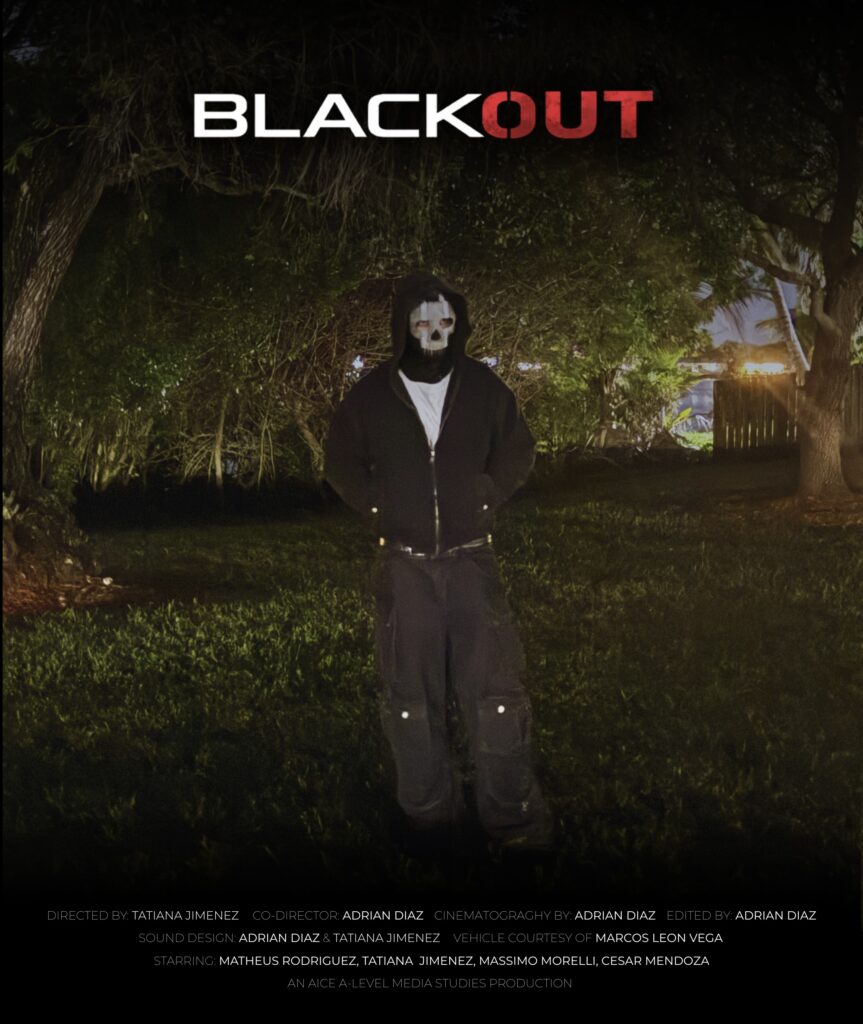
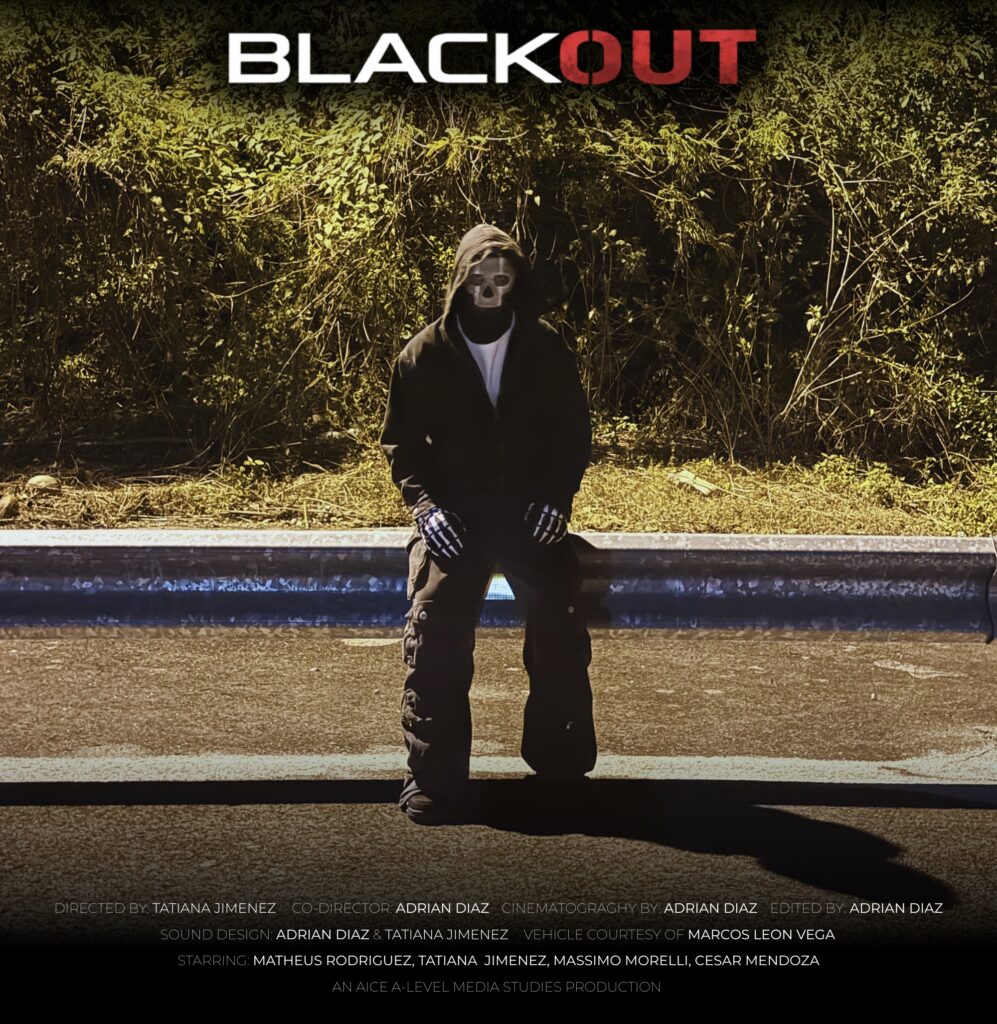
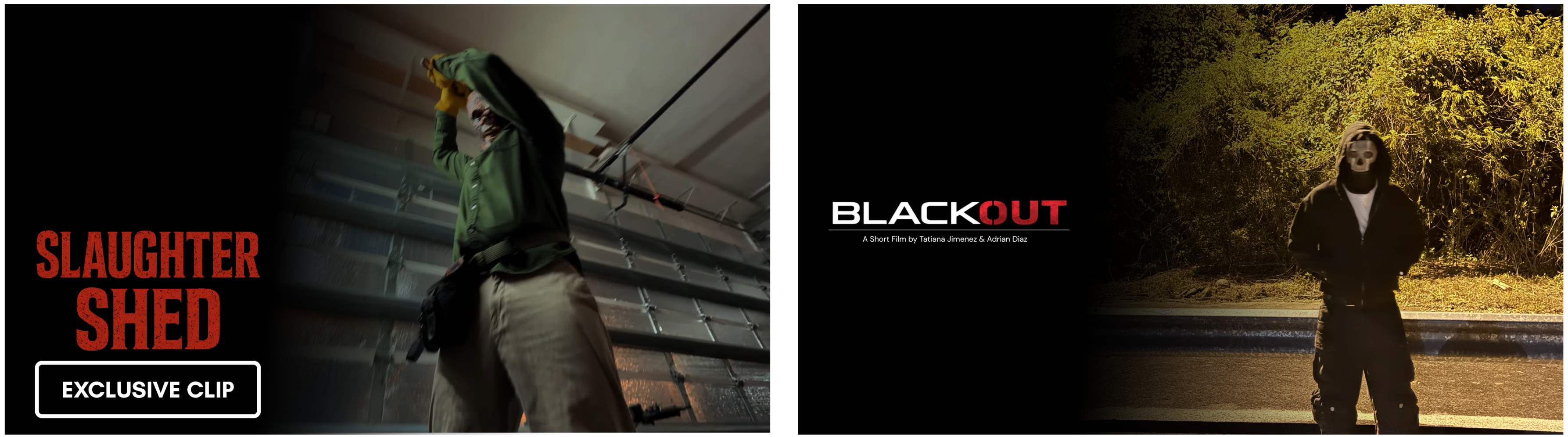
I also revealed the official YouTube thumbnail. Following the visual structure I used in my preliminary film Slaughter Shed, the design keeps the character on one side and the title on the other, using shadow and contrast to guide the viewer’s attention. Canva has been extremely useful throughout this process, especially for refining promotional materials and ensuring visual consistency across platforms.
At this stage, the film itself is complete. What remains now are the cover arts for the remaining cast members, the postcard component for the film festival requirement, and the CCR. We have officially entered the final phase of this production.
More updates coming soon.