Hey everyone, Adrian here. Today, I had a conversation with my teacher regarding the level of violence and realism in BLACKOUT, and it helped finalize several decisions moving forward.
Before getting into that, I also want to note that I was completely unaware it was her birthday this week. As a small gesture of appreciation for her guidance throughout my Media Studies journey, I got her a Starbucks gift card since she enjoys Starbucks.
The main discussion was on the use of realistic looking airsoft weapons and overall violence. To remain fully safe and avoid future issues, she advised that the orange tips should stay on. Her reasoning was straightforward. These videos may be viewed by students, parents, or staff, and seeing realistic weapons without orange tips could raise serious concerns not just for me, but also for my teacher, the school, and my parents. A disclaimer alone would not be enough in that context.
She also encouraged me to think creatively about how weapons are shown rather than removing them entirely. Instead of focusing on realism through close-ups of guns or having my face clearly visible with them, the film can rely more on framing, costuming, and implication. This works well with the concept of the film, since the characters operate as a masked duo suited up to “retrieve” something rather than openly displaying a weapon.
Blood effects were also addressed. Blood splatter is allowed and acceptable for the genre, but it needs to remain controlled. Extreme or excessive gore is unnecessary and would distract from the tone of the film. Violence should feel purposeful, not exploitative.
Overall, this conversation helped lock in a clear direction. The goal is to maintain tension and realism without crossing boundaries that could compromise the project’s acceptance or safety. Creativity is not being limited, it is being refined.
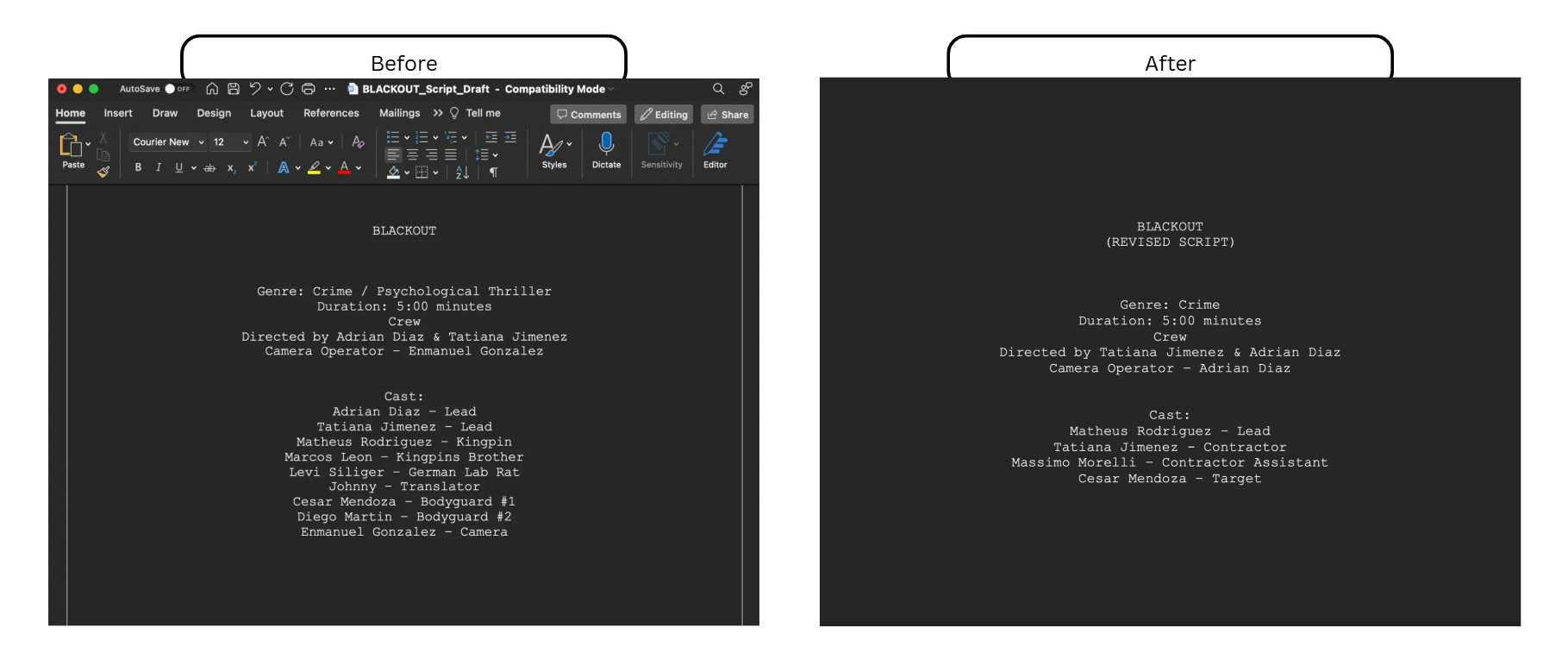
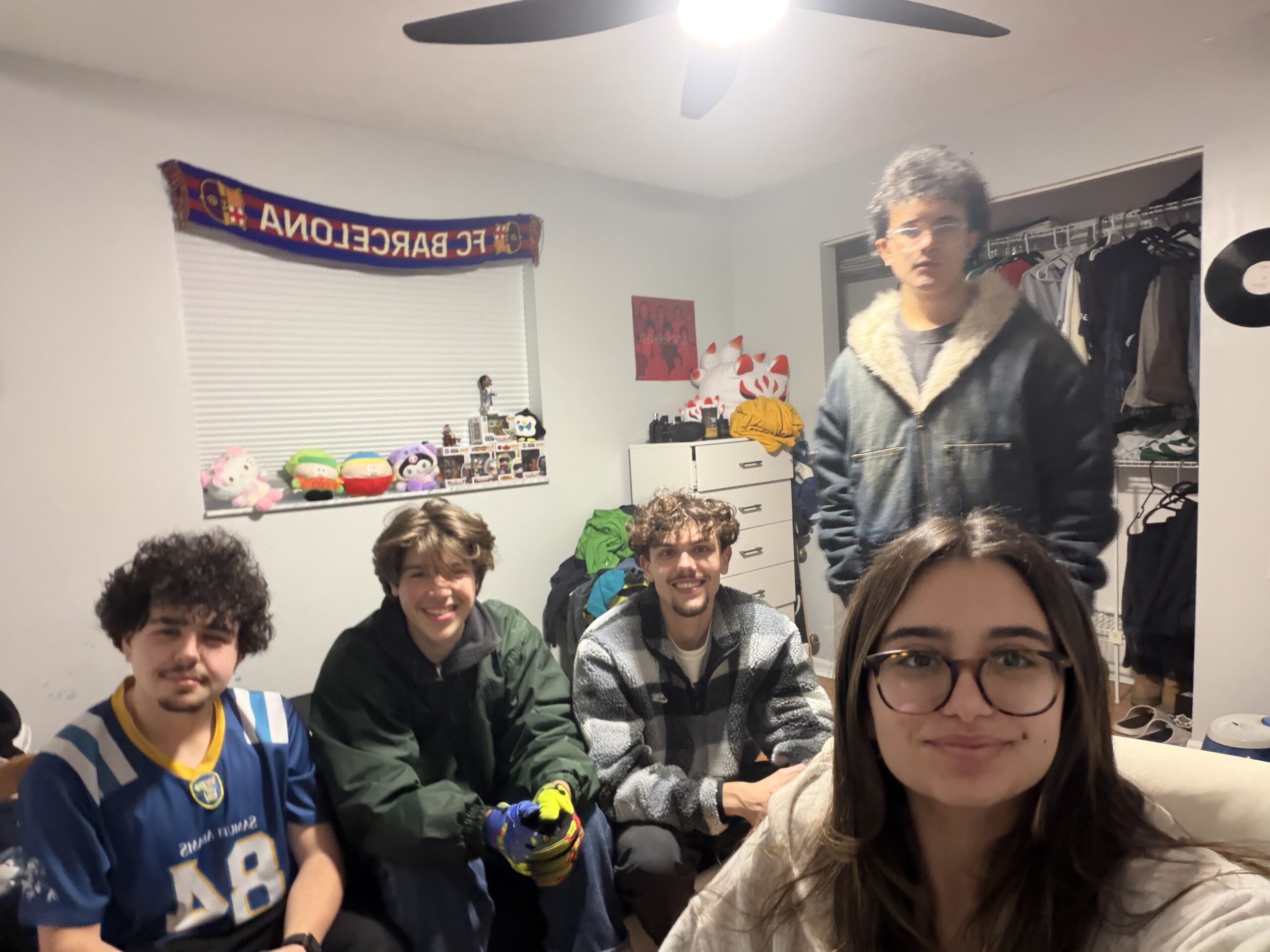
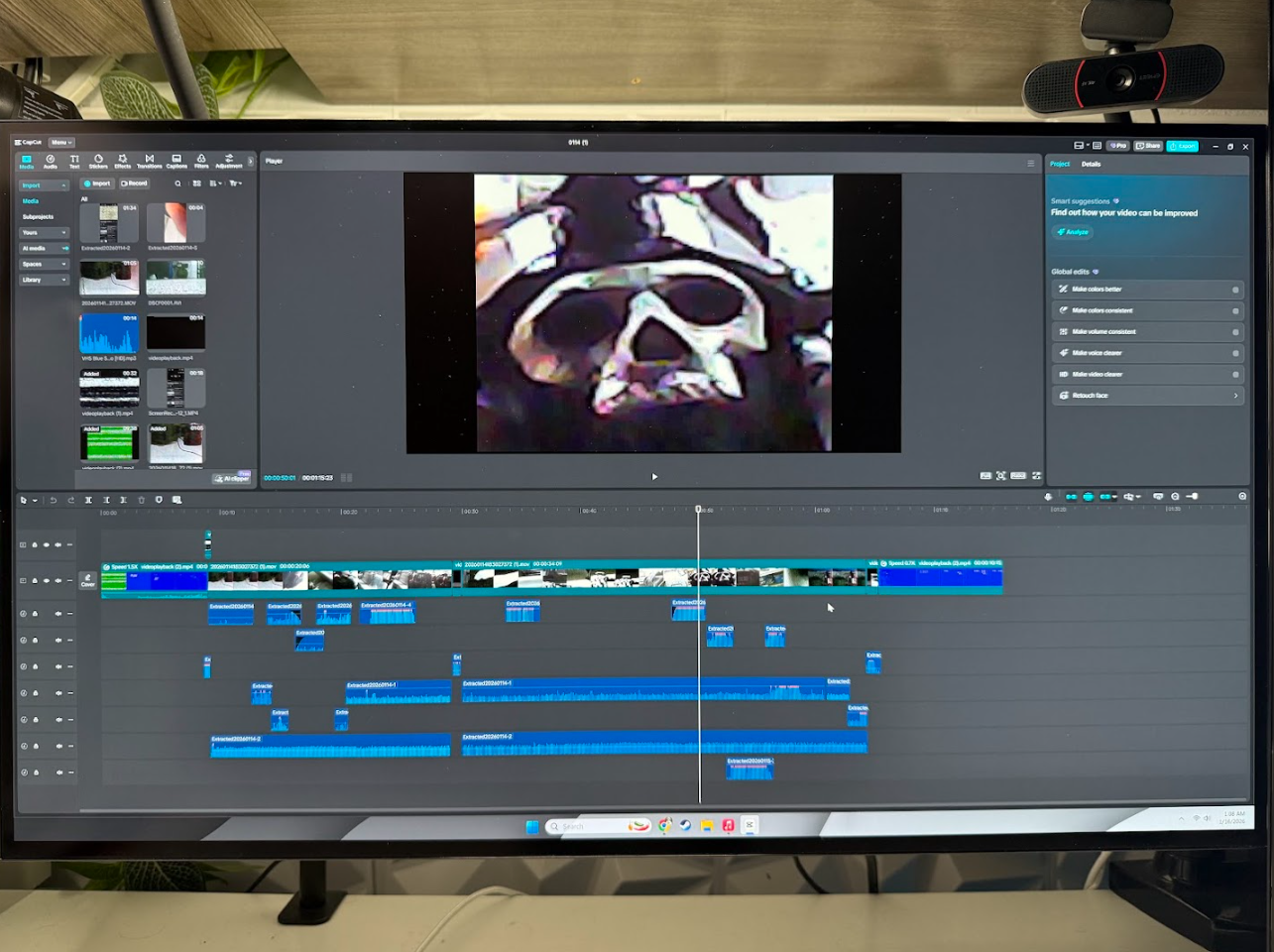
Above are behind-the-scenes images from the VHS-style teaser and a template showing part of the editing process, giving insight into how these decisions are being applied visually.